Every experienced gardener will tell you the same thing: soil, sunlight, and seeds only get you so far. What separates a struggling garden from a thriving one is often something far less glamorous – how, when, and with what you water. Get watering right, and you’ll spend less time troubleshooting wilted leaves, fungal spots, and stunted growth. Get it wrong, and even the best soil amendments and premium seeds won’t save you.
Why Watering Technique Matters More Than You Think
Most beginner gardeners assume that more water is always better. In reality, overwatering is one of the most common causes of plant stress, root rot, and poor yields. The goal isn’t to drench your garden – it’s to deliver the right amount of water, consistently, to where your plants actually need it: the root zone.
A few core principles apply to almost every garden, regardless of climate or plant type:
- Water deeply, not frequently. Shallow, frequent watering encourages roots to stay near the surface, making plants more vulnerable to drought stress. Deep watering a few times a week trains roots to grow downward, where soil moisture is more stable.
- Water in the morning. Early watering gives foliage time to dry before evening, reducing the risk of fungal disease. It also minimizes water loss to evaporation compared to midday watering.
- Target the base of the plant. Wetting leaves unnecessarily invites mildew and leaf spot. Aim your water source at the soil around the base of each plant instead.
- Adjust for weather, not habit. A rigid watering schedule ignores the reality of your local conditions. Check soil moisture with your finger before watering, especially after rain.
The Tools You Use Make a Bigger Difference Than You’d Expect
It’s easy to overlook the equipment side of watering, but the right tools can save you time, reduce water waste, and protect your plants from damage. Two areas worth paying attention to are how you store and manage your hose, and how you control water flow while watering by hand.
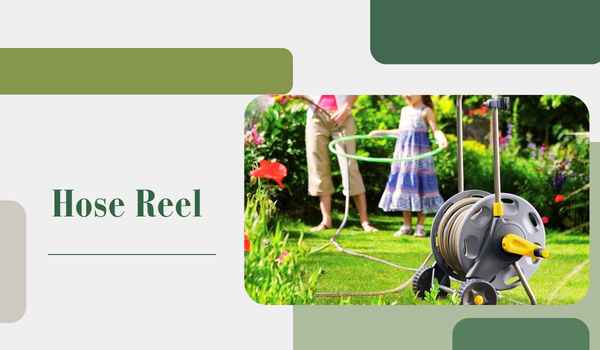
A tangled, kinked hose isn’t just annoying – it restricts water flow, wastes time, and shortens the life of the hose itself. If you’re tired of wrestling with a hose that never seems to sit still, it’s worth looking into a proper storage cart instead. You can read this comparison of the best hose reel carts to see which ones keep your hose organized, prevent kinks and cracking from sun exposure, and make moving around a larger yard far more manageable, especially if you’re watering multiple garden beds or containers spread across your property.
The other piece of the puzzle is what’s actually attached to the end of your hose. Many gardeners default to squeezing a basic trigger nozzle for the entire watering session, which is tiring and often leads to uneven watering. When shopping for the best hose nozzle, there are a few things worth knowing, like how spray pattern control and grip design can make the difference between a chore and an easy task – which is part of why the InnaV8 has become a popular pick for gardeners who want more control with less effort.
Building a Watering Routine That Actually Works
Once your equipment is dialed in, the next step is consistency. Here’s a simple framework to follow:
- Check soil moisture before watering. Push a finger about two inches into the soil. If it’s dry at that depth, it’s time to water.
- Water early, and water the roots. Aim for early morning, directing water at the base of plants rather than overhead.
- Group plants with similar needs. If you’re designing new beds, cluster plants with similar water requirements together so you’re not overwatering drought-tolerant species or underwatering thirsty ones.
- Mulch to retain moisture. A two- to three-inch layer of mulch around plants reduces evaporation and keeps soil temperature more stable.
- Reassess seasonally. Watering needs shift dramatically between spring growth, summer heat, and fall dormancy. Revisit your routine every few months rather than setting it once and forgetting about it.
In Conclusion
Great gardens aren’t built on luck – they’re built on habits, and watering is one of the most important habits you can refine. Small changes, like watering deeply instead of frequently, choosing the right time of day, and investing in equipment that makes the process easier rather than more frustrating, add up to healthier plants and a garden that’s genuinely enjoyable to maintain. Once your watering routine is solid, everything else, from pest management to fertilizing, tends to fall into place a lot more easily.